
Emerging Economies: The Middle East’s Path to Post-Oil Prosperity
The Middle East, long synonymous with oil wealth and energy dominance, is undergoing a dramatic transformation in 2025. As the global economy faces shifting dynamics, fueled by the rise of renewable energy and evolving international trade patterns, the region is charting a course toward post-oil prosperity. Emerging economies within the Middle East are looking beyond their vast oil reserves to diversify their economies, reduce dependence on fossil fuels, and prepare for a sustainable future.
Historically, the Middle East has been at the center of the global energy market, with countries like Saudi Arabia, the United Arab Emirates (UAE), and Kuwait relying heavily on oil exports. However, the global push for sustainability, alongside fluctuations in oil prices, has prompted governments in the region to pivot toward diversification strategies. These nations are recognizing the need to build robust, non-oil industries that can withstand the volatility of the energy market and provide long-term economic stability.
Diversification Strategies and Economic Transformation
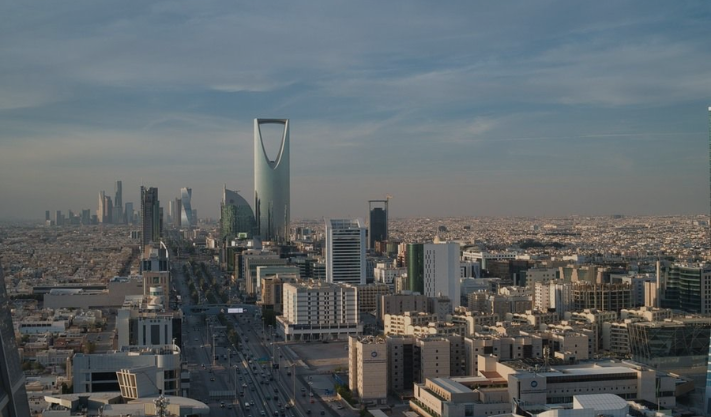
One of the most ambitious and well-known initiatives is Saudi Arabia’s Vision 2030, which aims to reduce the kingdom’s reliance on oil and transform its economy. The vision focuses on the development of sectors such as tourism, entertainment, technology, and renewable energy. Key projects, including the futuristic city of NEOM, are pushing the boundaries of innovation in urban development and green technologies. Saudi Arabia is heavily investing in solar and wind energy, aiming to become a global leader in clean energy production.
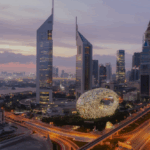
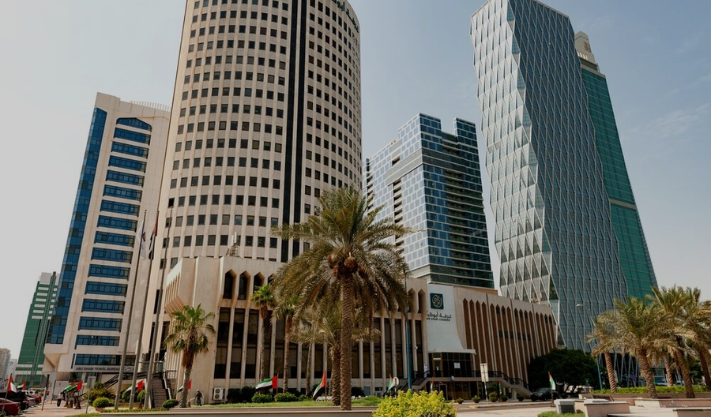
Similarly, the UAE has been a pioneer in promoting non-oil sectors. The UAE’s economy, once heavily reliant on oil revenues, has diversified into finance, real estate, tourism, and technology. Dubai, in particular, has positioned itself as a global hub for innovation, attracting multinational companies, tech startups, and venture capitalists. The UAE has also invested heavily in space exploration, with initiatives like the Mars mission marking the country’s growing role in global scientific endeavors.
The shift towards renewable energy and sustainability is also gaining momentum across the region. Qatar, a country known for its vast natural gas reserves, is investing in green technologies and seeking to diversify its economy with a focus on infrastructure development and clean energy. Other Gulf Cooperation Council (GCC) nations are adopting similar approaches, with increasing attention on solar, wind, and nuclear power projects.
Innovation and Technology: The Future of Middle Eastern Economies
Technology and innovation are driving the Middle East’s diversification efforts, with countries investing heavily in research and development (R&D). Governments are encouraging the growth of tech startups, artificial intelligence (AI), and digital infrastructure to position the region as a global leader in the knowledge economy. The UAE’s Smart Dubai initiative, which seeks to transform the emirate into the world’s smartest city, is a prime example of how technology is shaping the region’s economic future.
Additionally, the region’s youth, who are increasingly tech-savvy and entrepreneurial, play a crucial role in driving this transformation. With one of the youngest populations in the world, the Middle East is poised to capitalize on its demographic advantage. Governments are providing the necessary resources and support systems to help young people pursue careers in science, technology, engineering, and mathematics (STEM) fields.
Challenges and the Path Forward
While the Middle East’s transition away from oil is promising, it is not without challenges. The region must navigate geopolitical tensions, adapt to global economic shifts, and ensure the sustainability of its diversification efforts. Moreover, it needs to address issues such as unemployment, skill development, and social inclusion to ensure that economic prosperity benefits all segments of society.
Nonetheless, the Middle East’s path to post-oil prosperity is gaining momentum. By investing in renewable energy, technology, and innovation, the region is positioning itself for a future where its economies are driven by knowledge, sustainability, and entrepreneurship rather than fossil fuels. As the world transitions to a greener and more digital economy, the Middle East is embracing the opportunity to reinvent itself and become a key player in the global economic landscape.
Published: 4th January 2025
Also Read:
The Middle East’s Tech Boom: Startups to Watch
8 Ways To Achieve Mindfulness At Work
DAE acquired 83 planes, signed 233 leases in 2024